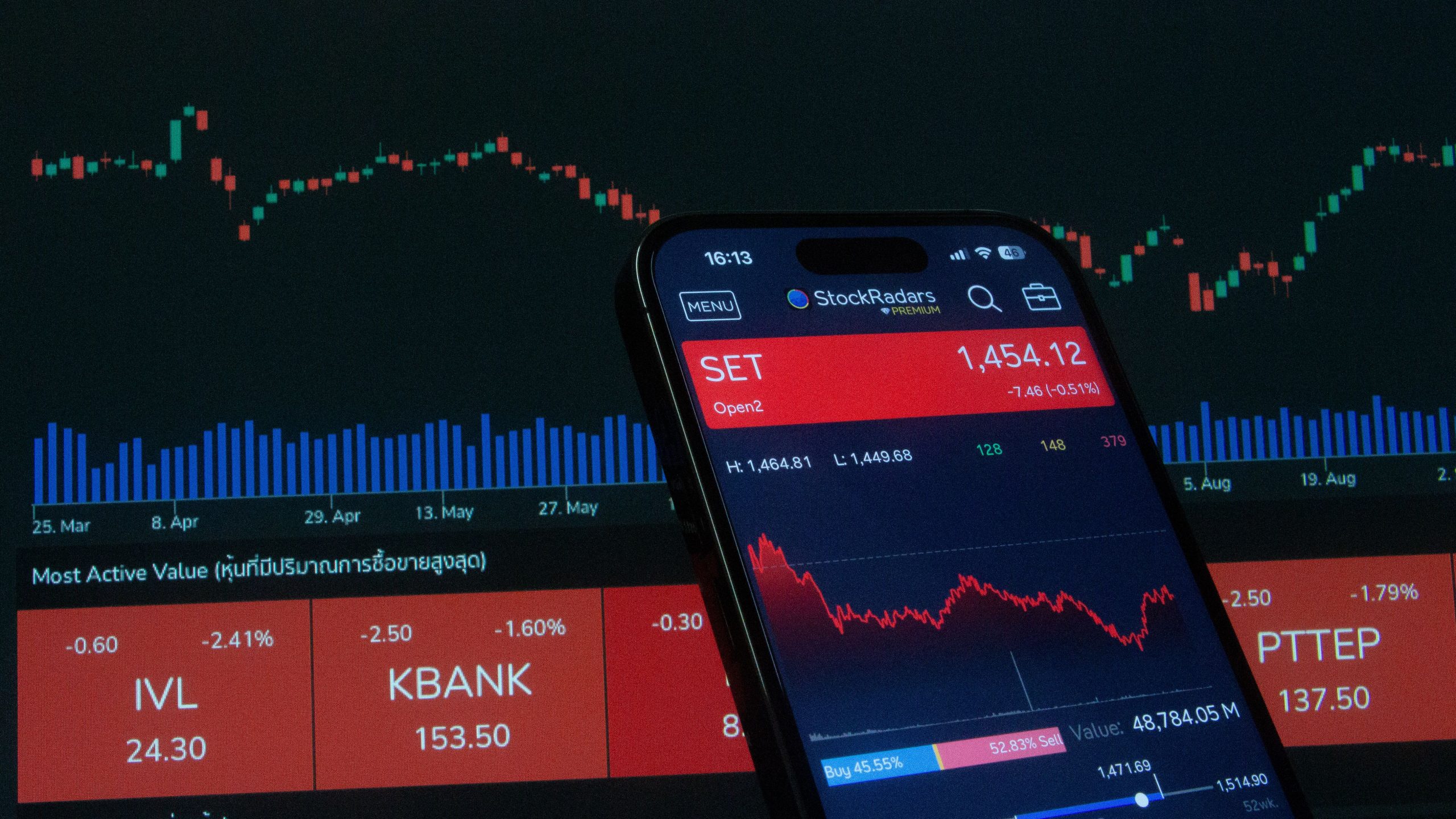
In day trading, a one-second delay is not a minor inconvenience. It is a missed entry, a wider loss, or a trade that fills at a price the strategy never accounted for. Traders across India are active in Forex and CFD markets, and the choice of day trading platform in India now comes down to more than just fees and charts. Execution speed has become the deciding factor. This blog explains what drives fast execution, how to evaluate it honestly, and what separates platforms that perform from those that only claim to.
What Slow Execution Actually Costs a Trader
The impact of slow order execution is rarely discussed in specific terms. Here is what it looks like in practice:
- A scalper targeting 10 pips loses 3 pips to slippage before the trade even begins
- A stop-loss order triggers 200ms late during a news spike, doubling the intended risk
- A breakout entry fills above the breakout level, invalidating the trade setup entirely
- Re-quotes force the trader to either accept a worse price or miss the move completely
These are not edge cases. During volatile sessions, slow platforms consistently produce these outcomes. The difference between a profitable strategy and a losing one often comes down to the platform itself, not the method or market conditions.
The Real Factors Behind Execution Speed
Understanding what drives fast execution helps evaluate platforms without relying on marketing claims.
Server Location
The physical distance between a broker’s server and its liquidity providers directly affects latency. Brokers with servers in London, New York, or Frankfurt typically offer lower latency than those routing orders through distant infrastructure.
Order Routing Model
Straight Through Processing (STP) and Electronic Communication Network (ECN) models send orders directly to liquidity providers. There is no dealing desk reviewing or delaying the order. This is structurally faster than a market-maker model, in which the broker often takes the other side of the trade internally.
Platform Architecture
Desktop applications generally process data faster than browser-based platforms. Platforms built specifically for trading handle order flow more efficiently than general-purpose tools adapted for financial use.
Liquidity Access
Brokers connected to multiple liquidity providers fill orders at better prices and faster speeds. Thin liquidity means orders wait longer for a match, clearly increasing both slippage and overall execution time.
Comparing Platforms on Execution Performance
Several popular trading platforms are evaluated regularly by active traders for execution quality:
MetaTrader 4 (MT4)
Still widely used, MT4 supports ECN execution through compatible brokers. It is stable, well-tested, and handles automated strategies through Expert Advisors. Execution quality depends heavily on the broker using it rather than the platform alone.
MetaTrader 5 (MT5)
MT5 processes orders faster than MT4, supports more asset classes, and offers a more advanced order execution model. For traders who need depth-of-market visibility alongside fast execution, MT5 provides both natively.
cTrader
Built from the ground up for ECN trading, cTrader displays actual execution statistics within the platform. Traders can see average fill times and slippage data directly, making it easier to verify real performance rather than trust a broker’s published claims.
ECN vs Market Maker: The Model That Affects Every Trade
The broker’s operating model is one of the most overlooked factors when evaluating execution speed.
ECN brokers route orders directly to an interbank network. Orders are filled at real market prices, with no dealer involvement at any stage. This suits scalpers, news traders, and anyone who depends on consistent, fast fills for their strategy to work.
Market makers process orders internally. They profit from the spread and sometimes from client losses. During fast-moving markets, this model introduces delays, re-quotes, and wider spreads at exactly the moments when precise execution matters most to the trader.
For active day trading, the ECN model is structurally more reliable. Any online investment platform that does not clearly disclose its execution model is worth approaching with real caution before depositing funds.
How to Test Execution Before Depositing
Do not rely on a broker’s stated execution statistics alone. Test the platform directly using these steps:
- Open a demo account and place orders during high-impact news events
- Record the quoted price versus the actual fill price across 20 or more trades
- Note whether re-quotes appear during volatile periods or fast market conditions
- Test different order types, including market, limit, and stop orders, across instruments
- Compare execution behavior across different trading sessions, not just one
A reliable online trading platform will show consistent fills across varying sessions and conditions. Inconsistency on a demo account is a warning sign, not something that improves once a live account is funded and running.
Stop Losing Trades to a Platform That Cannot Keep Up
Choosing the right day trading platform is a trading decision, not an administrative one. Every strategy requires execution, and if the platform cannot meet that requirement, the strategy underperforms regardless of how well it is designed or tested. Flow FX operates on ECN infrastructure with direct access to liquidity, giving traders transparent, fast order execution without dealing desk delays. For traders in India looking for a popular trading platform built around actual market conditions rather than ideal ones, Flow FX is worth a serious look. Test execution, verify fills, and trade with a platform that doesn’t slow down the strategy when it matters.
FAQs
1. What execution speed should a day trader look for?
100 milliseconds or less is the standard target. ECN brokers often deliver fills in 10-50 milliseconds.
2. Does a trader’s internet speed affect execution?
It plays a minor role. The broker server location and order routing method have a significantly greater impact overall.
3. Is MT4 suitable for scalping strategies?
Yes, when paired with a genuine ECN broker. MT5 and cTrader offer more optimized environments for high-frequency scalping.
4. What does slippage tell you about a platform?
High slippage indicates slow execution or poor liquidity. Consistent low slippage reflects a well-structured, reliable execution environment.
5. Can demo account results predict the quality of live execution?
Partially. Demo accounts provide useful baseline data, but live accounts reflect real liquidity conditions more accurately.