Online trading has essentially broken down barriers, enabling countless individuals to access financial markets directly from their laptops or smartphones. Whether you’re looking to acquire some stocks, trade currencies, or dive into commodities, modern digital tools have made the whole process feel way more accessible and efficient than it used to be.
But let’s be real: for a beginner, the inner workings of these systems can feel like a total maze. Understanding the nuts and bolts, how trades actually happen, what tools are in your kit, and how to keep your risks in check is the best way to approach the markets with actual confidence.
This guide breaks down exactly how online top trading platforms operate and what you should keep in mind before you click that first “buy” button.
What Is an Online Trading Platform?
At its core, an online trading platform is just a digital hub where you can buy and sell financial instruments like stocks, forex, commodities, and crypto. These platforms act as the bridge, connecting you to global markets using fancy brokerage tech and live data feeds.
When you place an order on an investment trading platform, the software processes your request and zips it off to the right market or liquidity provider to get it executed. This usually happens in a split second, which is crucial if you’re trying to catch a specific price movement.
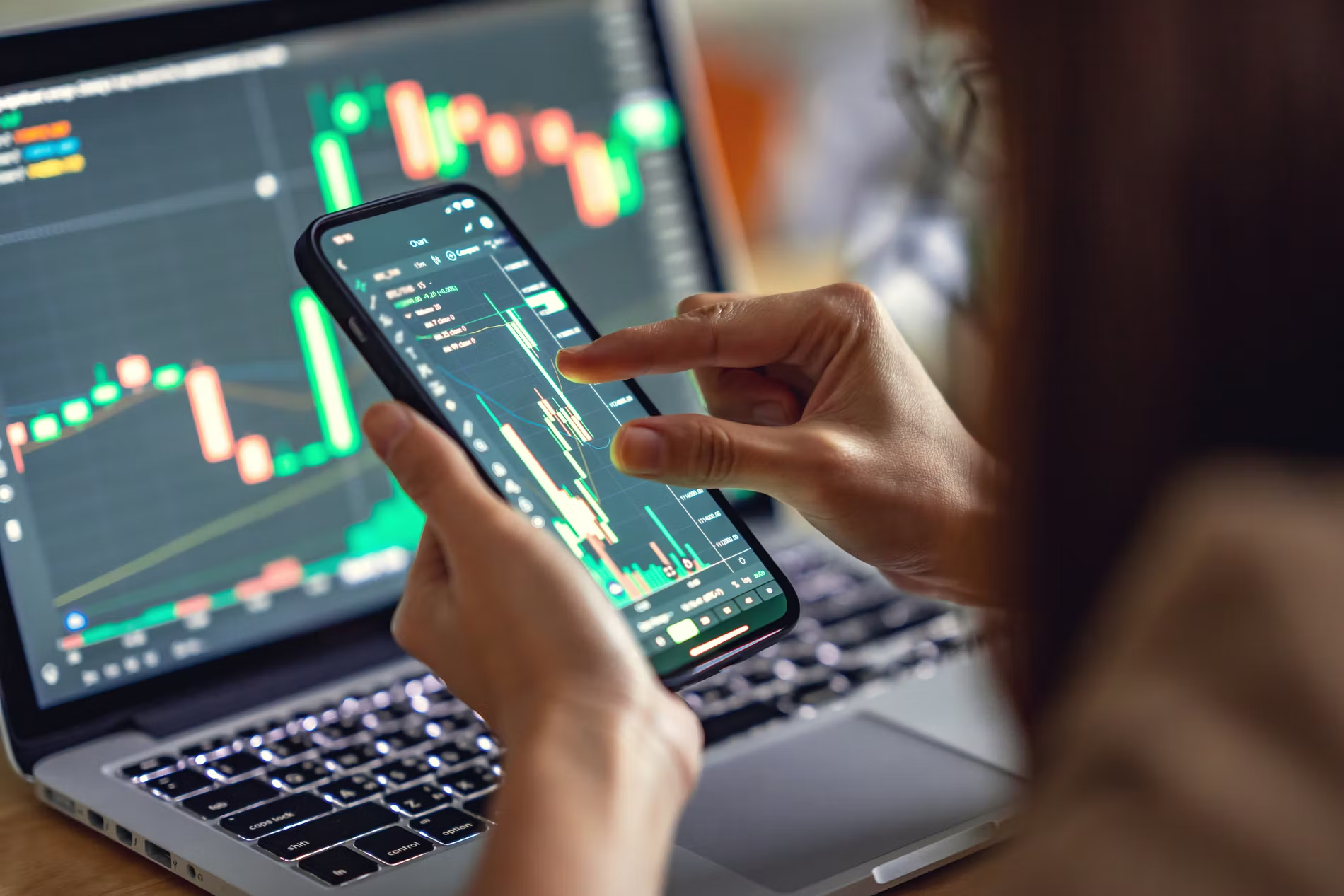
Today’s top trading websites are built specifically to be user-friendly. They give you dashboards packed with real-time charts, prices, and a clear view of your open positions so you aren’t flying blind.
How Trading Platforms Execute Trades
If you’re starting out, knowing how a trade goes from a thought in your head to a finished transaction is a big deal.
Here’s the simplified play-by-play:
- Market Analysis: You check out charts, indicators, or the latest news to decide if it’s time to buy or sell.
- Placing an Order: You hit the button in the platform’s interface.
- Order Routing: The platform shoots that order over to a broker, exchange, or liquidity provider.
- Execution: The trade gets “filled” at the best price available in the market.
- Confirmation: The platform logs everything, updates your balance, and reflects the change in your portfolio.
The top trading platforms invest heavily in infrastructure to make sure this happens with zero lag and minimal hiccups.
Tools Available on Trading Platforms
Modern platforms come loaded with tools to help you make sense of the chaos and manage your money.
Charting and Technical Analysis
Visuals are everything. Most platforms offer candlestick, line, and bar charts so you can see where prices have been. You’ll also find indicators like moving averages, RSI, and MACD, which are basically just math-based ways to see if a trend is gaining steam or losing it.
Real-Time Market Data
You can’t trade successfully on old news. The best trading broker platform will give you live price feeds, so you’re seeing exactly what’s happening in the market the moment it happens.
Risk Management Tools
Since trading always comes with the risk of losing money, platforms include “safety net” features:
- Stop-loss orders: Automatically sell if the price drops too low.
- Take-profit orders: Lock in your gains once a target is hit.
- Margin monitoring: Keep an eye on your borrowed funds.
- Exposure tracking: Shows you how much skin you have in the game.
Automated Trading and Smart Tools
Tech has also paved the way for “set it and forget it” styles. Instead of watching the screen all day, you can use algorithms that trade based on rules you’ve set up. For instance, you could tell the system to buy the moment a price hits a certain level.
Platforms that excel at this are often called the best automated trading platform setups. They’re great because they take the “human emotion” (like panic or greed) out of the equation. While pros love these, beginners can still get a ton of value from simple automated alerts.
Why Security Matters in Online Trading
Security isn’t just a nice-to-have; it’s everything. You’re moving real money and sensitive info, so the platform needs to be a fortress. Reliable setups usually feature:
- Heavy-duty data encryption.
- Two-factor authentication (2FA).
- Monitored login activity.
On top of that, many top trading websites follow strict regulations that keep them transparent and accountable.
Account Types and Demo Trading
Most brokers offer different account tiers depending on how much experience you have under your belt.
Demo Accounts
This is the “sandbox” mode. You trade with fake money in real market conditions. It’s the perfect way to learn about an investment trading platform without the heart-pounding stress of losing your savings.
Standard Trading Accounts
Once you’re ready, these give you the keys to the live markets. This is where you manage real capital and deal with actual spreads and leverage.
Markets You Can Access Through Trading Platforms
One of the coolest parts of modern tech is having a “one-stop shop” for assets. The top trading platforms usually let you trade:
- Stocks and equities.
- Forex (currency pairs).
- Commodities (like gold or oil).
- Global indices.
- Cryptocurrencies.
Being able to jump between these helps you diversify, so you aren’t putting all your eggs in one basket.
Tips for New Investors Starting Online Trading
It’s easy to get swept up in the excitement, but a solid foundation is what keeps you in the game long-term.
- Educate yourself first: Know what a “pip” or a “dividend” is before you spend a dime.
- Stick to the demo: Practice until your strategy actually works.
- Respect the risk: Never trade money meant for rent or groceries.
- Keep your cool: Don’t revenge-trade after a loss.
- Pick a winner: Choosing the best trading broker platform makes the whole journey a lot smoother.
Trade With Confidence at Flow FX
At Flow FX, we’re all about making trading structured and transparent. Our platform gives you a straight shot to global markets, including forex, stocks, commodities, you name it, across web, desktop, and mobile.
We provide the real-time pricing and pro-level charts you need, alongside flexible accounts that grow with you. Whether you’re starting in a demo environment or managing a live portfolio with our risk-management tools, we’re here to help you navigate the global markets with a clear head and a solid strategy.
FAQs
1. What is an online trading platform?
An online trading platform is a digital system that allows investors to buy and sell financial assets through internet-based brokerage services.
2. How do beginners start trading online?
Beginners usually open an account, explore demo trading, learn basic strategies, and gradually start trading small amounts in real markets.
3. Are online trading platforms safe to use?
Most reputable platforms use encryption, regulatory compliance, and security protocols to protect user data, funds, and trading activity.
4. What markets can investors trade through online platforms?
Investors can trade stocks, forex, commodities, indices, cryptocurrencies, and other financial instruments depending on the platform’s available assets.
5. Why should beginners use a demo trading account first?
Demo accounts help beginners practice strategies, understand platform features, and gain confidence before investing real money in live markets.