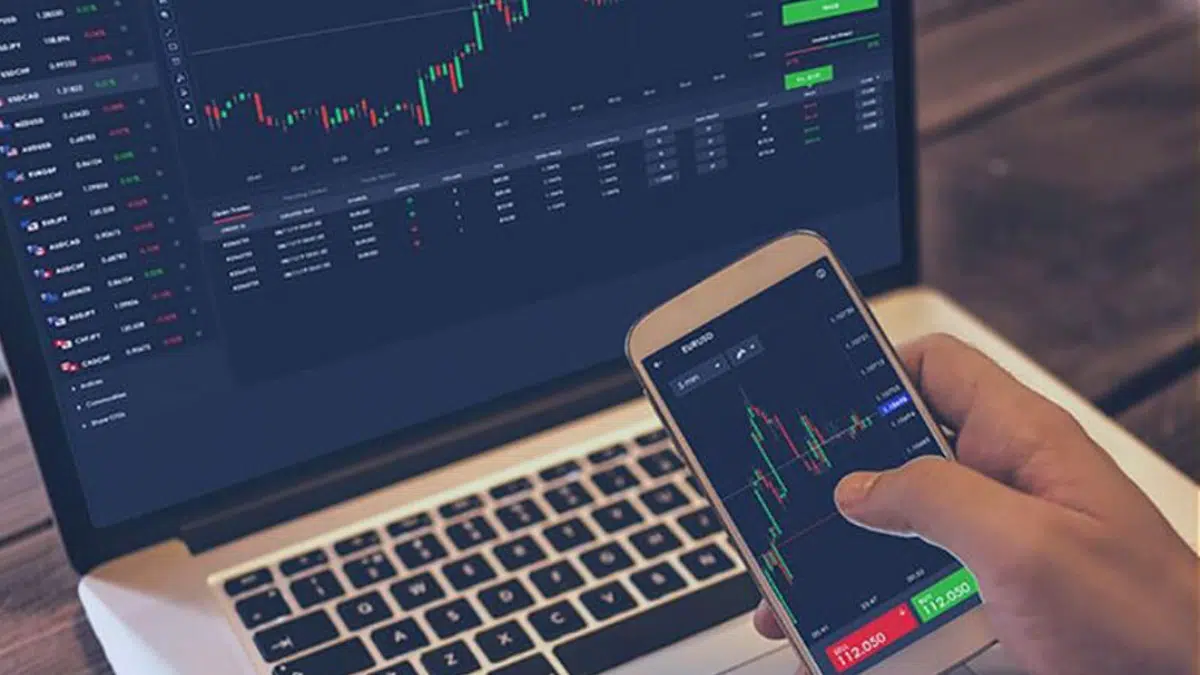
Sudden price moves, quick decisions, and limited time to act, this is where day trading begins to feel real. Many traders step into the market thinking it’s only about buying low and selling high within a few hours. But the real difference often comes from the day trading platform being used and how well it supports each move. The best trading platform for day trading is not just about charts or speed. It shapes how trades are placed, how risks are handled, and how smoothly everything works during market hours. Choosing the best day trading platform or even the best and trusted trading platform becomes a key step before placing a single trade.
This guide breaks things down in a simple way, no complex terms, no confusion. Just a clear understanding of how a day trading platform works, what benefits it offers, what risks exist, and how to begin step by step.
What’s a Day Trading Platform?
A day trading platform is the system used to open and close trades within the same day. No positions are carried forward. Everything starts and ends within trading hours.
It works as a bridge between the trader and the market. There is also a small but important difference to understand:
- An online broker provides access to the market
- The platform is where actual trading happens
In simple words, the broker gives the entry, and the platform handles the activity.
On a typical best share trading platform, traders use instruments like CFDs (contracts for difference). These are derivative products. This means:
- Trades are based on price movement, not ownership
- Exposure in the market can be increased using leverage
Leverage can increase both gains and losses. This is why careful handling becomes important while trading on any best and trusted trading platform.
Another point to remember:
- If a trade stays open beyond the same day, extra charges may apply
- Day trading avoids that by closing everything within the day
Benefits of Day Trading
Day trading brings certain advantages when compared to long-term trading. These benefits are practical and easy to notice once trading begins.
No Overnight Risk
Markets move all the time, even when trading is not active in one region.
- News from different parts of the world can impact prices
- Events can change market direction suddenly
Closing trades within the same day avoids this risk. There is no exposure while away from the screen.
Better Control Over Time
Day trading works within fixed hours.
- Trades happen during active sessions
- No need to monitor positions all night
This makes it easier to manage alongside other responsibilities.
No Extra Holding Charges
Keeping trades open for longer periods often brings additional costs.
- No rollover fees
- No swap charges
A day trading platform removes these costs when trades are closed within the same day.
Flexible Trading Setup
Trading does not require a fixed location.
- Can be done remotely
- Works across devices
Many traders prefer platforms that offer simple access without complications, which is why choosing the best trading platform for day trading matters.
Common Risks in Day Trading
Fast trading also comes with challenges. These risks are not hidden, but often ignored in the beginning.
Quick Price Movements
Prices can change within seconds.
- Gains can turn into losses quickly
- Without proper exit levels, control is lost
Too Many Trades
New traders often take too many positions.
- Trying to catch every move
- Paying more in trading costs
This leads to unnecessary losses.
Emotional Decisions
Trading is not only technical.
- Fear can lead to early exits
- Greed can lead to holding too long
Both can affect results.
Technical Issues
Trading depends on technology.
- Slow connection
- Platform delays
- Order execution problems
Even a small delay can impact a trade.
Lack of Discipline
Many traders know what to do but fail to follow it.
- Ignoring stop-loss
- Changing plans mid-trade
- Trying to recover losses quickly
A structured platform helps, but discipline still plays a major role.
How to Start Day Trading: Beginner Roadmap
Starting without a plan often leads to confusion. A simple step-by-step approach makes things easier.
Step 1: Choose One Market
Focus on a single market in the beginning.
- Forex offers continuous activity
- Indices move clearly during sessions
- Commodities like gold react to global events
Switching between markets too often creates confusion.
Step 2: Understand Trading Sessions
Markets behave differently at different times.
- Asian session
- London session
- New York session
Step 3: Learn Basic Trade Mechanics
Before using any best day trading platform, basic concepts should be clear:
- Bid and Ask Price – buying and selling levels
- Spread – cost of entering a trade
- Slippage – difference in expected and actual price
- Leverage – increased exposure with small capital
These affect every trade.
Step 4: Understand Order Types
Orders control how trades are placed and closed.
- Market order – instant execution
- Limit order – fixed entry level
- Stop order – entry at a specific point
- Stop-loss – protection from loss
- Take-profit – locking gains
Using stop-loss and take-profit regularly helps maintain control.
Step 5: Stay Consistent
Switching strategies too often creates confusion.
- Focus on one approach
- Repeat it
- Improve slowly
Consistency matters more than trying everything.
A Structured Trading Space with Flow FX
A stable trading environment often makes a noticeable difference in day trading. Flow FX is designed with a focus on clarity, execution, and structured access to financial markets.
Key aspects include:
- Multi-platform access like Web Trader, MT5, and mobile apps
- Availability of multiple asset classes including forex, commodities, indices, and crypto
- Clear pricing structure with tight spreads
- Consistent liquidity and stable execution
- Tools for charting, analysis, and demo practice
The platform supports different types of traders, from beginners learning the basics to experienced participants managing multiple positions.
Flow FX: Building Discipline with the Right Platform
Day trading is not about speed alone. It is about control, timing, and consistency. A well-chosen day trading platform supports these areas, but the real work still comes from following a structured approach. The role of a platform becomes clearer over time. Smooth execution, clear pricing, and stable access all contribute to better decision-making. This is where Flow FX fits in as a practical option for traders looking for a best share trading platform experience with structured tools and reliable access. The focus remains simple: steady process, clear understanding, and disciplined trading.
FAQs
1. What makes a platform suitable for day trading?
A platform that offers fast execution, stable performance, clear pricing, and proper risk tools is considered suitable for day trading activities.
2. Is day trading suitable for long-term investors?
Day trading focuses on short-term trades within the same day. It may not suit those looking for long-term investment strategies.
3. Why is leverage risky in day trading?
Leverage increases exposure. While it can improve gains, it can also increase losses quickly if trades move in the wrong direction.
4. Do all day trading platforms charge extra fees?
Extra fees usually apply when trades are kept open overnight. Closing trades within the same day avoids these charges.
5. How important is discipline in day trading?
Discipline plays a major role. Following a fixed plan, using stop-loss, and avoiding emotional decisions helps maintain better control over trades.