The landscape of investing has undergone a significant transformation over the past decade. Previously, the concept of “investing” often entailed contacting a representative at a corporate office, engaging in face-to-face discussions over coffee, or permitting a firm to manage one’s portfolio with limited transparency. Today, the landscape is much more accessible; anyone can jump in by finding the best online trading platform for beginners and start building a portfolio from a laptop or smartphone.
But as the barrier to entry drops, a big question sticks around: What is the actual difference between using an online trading platform and sticking with a traditional broker?
A thorough understanding of the mechanics of both options can assist individuals in determining which choice aligns with their objectives, level of patience, and the extent of engagement they are prepared to manage. Let us examine this matter more closely.
What Exactly Are Traditional Brokers?
Think of traditional brokers as the full-service option. These are financial pros or specialized firms that execute trades on your behalf. They don’t just push buttons; they often provide hand-holding through advisory services, portfolio management, and deep-dive market insights.
In this model, you usually open an account and then communicate, often directly, with a human broker to buy or sell stocks, bonds, or currencies.
Key Characteristics of Traditional Brokers
- Personalized Guidance: They give you advice based on your specific life goals (like retirement or buying a home).
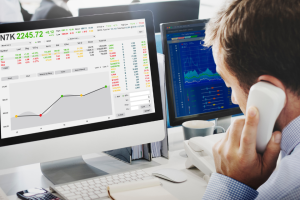
- Human Interaction: You’re often talking to a real person over the phone or through a specialized portal.
- Active Management: They often do the heavy lifting of balancing your portfolio for you.
- The Price Tag: This white-glove service isn’t free. You’ll likely see higher advisory fees, commissions, or management charges.
This is great if you want a professional at the wheel. However, for the modern, fast-paced investor, it can feel a bit sluggish and pricey.
What Are Online Trading Platforms?
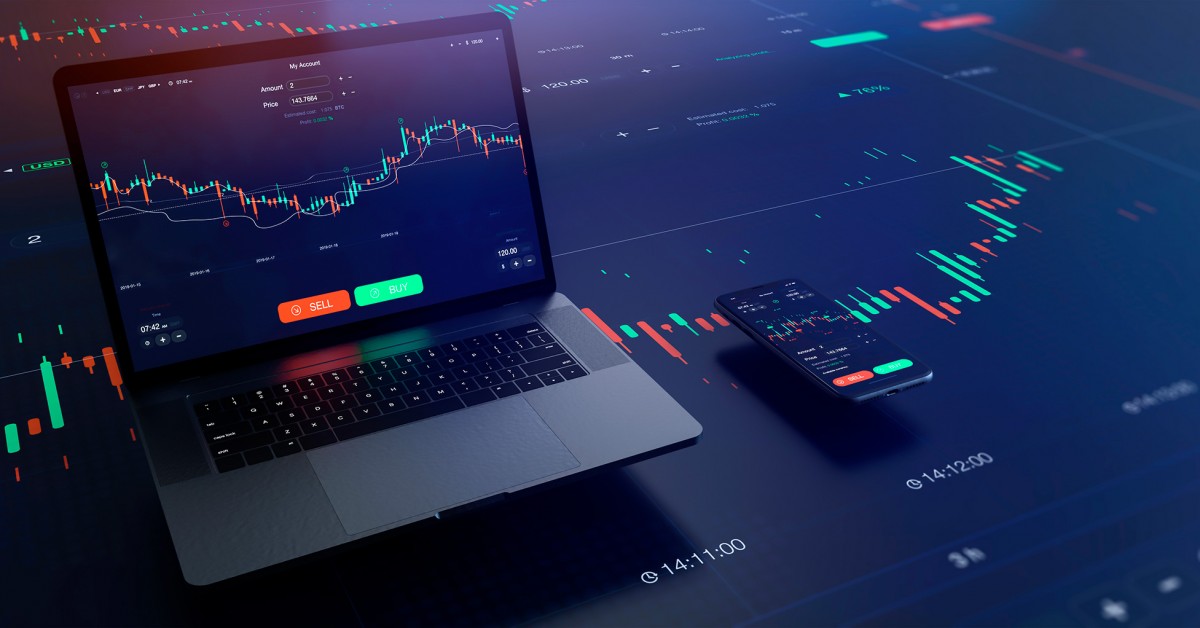
Online trading platforms are the DIY alternative. These are digital interfaces that let you plug directly into financial markets. They hand you the keys, such as charts, real-time data, and analysis tools, so you can make your own calls and execute trades instantly.
Whether it’s stocks, forex, or crypto, these systems are built for speed. If you’re just starting out, you don’t even have to use “real” money right away. Most people find it helpful to start with a virtual trading platform to sharpen their skills and test out strategies in a sandbox environment before things get serious.
Common Features of Online Trading Platforms
- Live price charts and technical analytics.
- Execution that happens in the blink of an eye.
- Access via mobile apps or a dedicated best desktop trading platform setup.
- Practice “demo” accounts.
- Automated trading capabilities.
Since they are convenient and put the user in the driver’s seat, they’ve become the go-to for retail traders everywhere.
Key Differences Between Online Platforms and Traditional Brokers
Although both methods allow investors to participate in financial markets, their approaches are quite different.
1. Speed and Accessibility
Online platforms are built for the “now.” You can jump into a trade from a coffee shop or your couch. Traditional brokers, however, often involve a middleman. If you have to call someone or wait for an advisor to approve a move, you might miss the window of opportunity. For active traders, that speed is everything.
2. Cost Structure
Traditional brokers have overhead, such as offices, research teams, and advisors, and they pass those costs to you. You might run into:
- Standard brokerage commissions
- Ongoing portfolio management fees
- Flat advisory charges
Online platforms are leaners. Since they automate the process and let you do the analysis, the fees are usually significantly lower.
3. Control Over Your Money
A traditional broker acts as a filter. They might suggest what to buy or sell, which is helpful for beginners but can feel restrictive if you want total control. Online platforms give you 100% autonomy. You do the research, you manage the risk, and you pull the trigger. That’s why many newcomers look for the best trading account for beginners to get that hands-on experience right from day one.
4. Tech and Tools
The “tech stack” is where online platforms really shine. You get technical indicators, customizable dashboards, and real-time feeds. Many serious traders swear by the best desktop trading platform they can find because it allows for multi-screen setups and the kind of deep-dive analytics traditional firms usually keep for their internal teams.
5. Automation Capabilities
Modern trading is leaning heavily into “set it and forget it” logic. Many online systems allow for algorithmic or rule-based trading. By utilizing the best automated trading platform tools, you can set specific entry and exit points that trigger even while you’re asleep. Traditional brokers rarely offer this; their model is built on human judgment and manual execution.
6. The Learning Curve
Traditional brokers are the “easy mode” for investing because they tell you what to do. Online platforms require you to actually learn the ropes. You’ll need to understand market trends and risk management. Luckily, the best online trading platform for beginners usually includes a library of tutorials and demo modes to help you bridge that knowledge gap.
Quick Comparison: Online Trading Platforms vs Traditional Brokers
| Feature | Online Trading Platforms | Traditional Brokers |
| Trade Execution | Instant trades through digital systems | Trades executed through brokers or advisory channels |
| Cost | Usually, lower fees and commissions | Often, higher fees for advisory services |
| Control | Investors manage their own trades | Brokers may guide or execute trades |
| Tools & Technology | Advanced charts, analytics, and automation | Limited direct analytical tools for clients |
| Accessibility | Available anytime through web, mobile, or desktop | Often requires communication with a broker |
| Learning Support | Demo accounts and tutorials available | Personalized guidance from financial professionals |
This quick overview helps investors understand why many beginners start with a virtual trading platform before moving to live trading environments.
Which Option Is Better for Investors?
The choice between online trading platforms and traditional brokers depends largely on personal preferences and trading goals.
Traditional Brokers May Be Better For:
- Investors who prefer professional advice
- Individuals with large portfolios requiring active management
- Long-term investors seeking structured financial planning
Online Trading Platforms May Be Better For:
- Independent traders who prefer control over their investments
- Active traders seeking faster execution
- Tech-savvy investors are comfortable with market analysis
In reality, many investors today combine both approaches, using digital platforms for self-directed trading while consulting advisors for long-term financial planning.
Why Traders Choose Flow FX for Modern Market Access
At Flow FX, we’ve built a space that bridges the gap between professional-grade tech and user-friendly access. Our platform was designed by people who live and breathe the markets, ensuring you have a direct line to forex, equities, commodities, and crypto.
Whether you prefer our web interface or a dedicated mobile app, you get real-time pricing and the tools needed to act fast. We offer demo accounts for practice, advanced charting for the pros, and built-in risk management like stop-loss controls. Our mission is to keep things transparent and structured, providing the best automated trading platform features and execution tools to help you trade with discipline and clarity.
Frequently Asked Questions
1. What is the difference between online trading platforms and traditional brokers?
Online trading platforms allow investors to trade independently using digital tools, while traditional brokers provide advisory services and execute trades on behalf of clients.
2. Are online trading platforms safe for beginners?
Yes, many platforms include demo accounts, educational resources, and simplified interfaces designed specifically to help beginners understand trading basics safely.
3. Why do many new investors start with a virtual trading platform?
A virtual trading platform lets beginners practice strategies and understand market movements without risking real money during early learning stages.
4. Do traditional brokers provide better investment advice?
Traditional brokers can provide personalized investment guidance, which may benefit investors who prefer professional recommendations rather than self-directed trading decisions.
5. What features should beginners look for in a trading platform?
Beginners should prioritize user-friendly interfaces, educational tools, demo accounts, risk management features, and reliable market data for informed trading decisions.